Home
>
Blog
>
>
How Technology Is Changing Medical Record Retrieval for High-Volume Litigation Cases
For high-volume litigation teams, modern record retrieval should help answer five practical questions:
- Which provider requests have been sent?
- Which records are still pending?
- Which requests were rejected or need updated authorization?
- Which records have already been received and organized?
- Which cases are ready for review, demand, or expert preparation?
If your team can't answer these quickly, the retrieval process is probably costing more time than it should.
One missing provider can hold a case back.
One rejected authorization can add weeks.
One late imaging report can delay a demand package that was almost ready.
Now imagine that happening across 300, 800, or 2,000 active files.
That's the reality for firms handling mass torts, personal injury volume, workers' compensation matters, and large medical-legal caseloads. The legal strategy may be sound. The team may be experienced. But if the records are slow, scattered, incomplete, or hard to track, the case cannot move with confidence.
This is why medical record retrieval has become a serious workflow issue for litigation teams. It's no longer a small administrative task sitting quietly in the background. In high-volume litigation, retrieval speed and record visibility affect demand timing, deposition preparation, expert review, settlement discussions, and internal team workload.
Technology isn't replacing legal judgment. It's helping teams get the right records faster, track what's still pending, and reduce the confusion that comes with managing hundreds of provider requests at once.
The Old Retrieval Process Was Never Built for Volume
Traditional record retrieval works fine when the caseload is small. A paralegal identifies providers, prepares authorizations, sends requests, follows up, waits, receives records, saves files, and updates the team.
That process breaks down when the same team is handling hundreds of active matters.
High-volume litigation creates pressure at every step. Plaintiffs may have long treatment histories. Providers may be spread across hospitals, imaging centers, therapy clinics, pharmacies, EMS services, and specialists. Some facilities respond quickly. Others need repeated follow-ups. Some reject requests because the authorization is incomplete, expired, or formatted incorrectly.
The problem isn't usually effort. Most paralegals are already working hard. The problem is that manual retrieval depends too much on memory, inboxes, spreadsheets, and repeated status checks.
At scale, that creates delays. And delays compound.
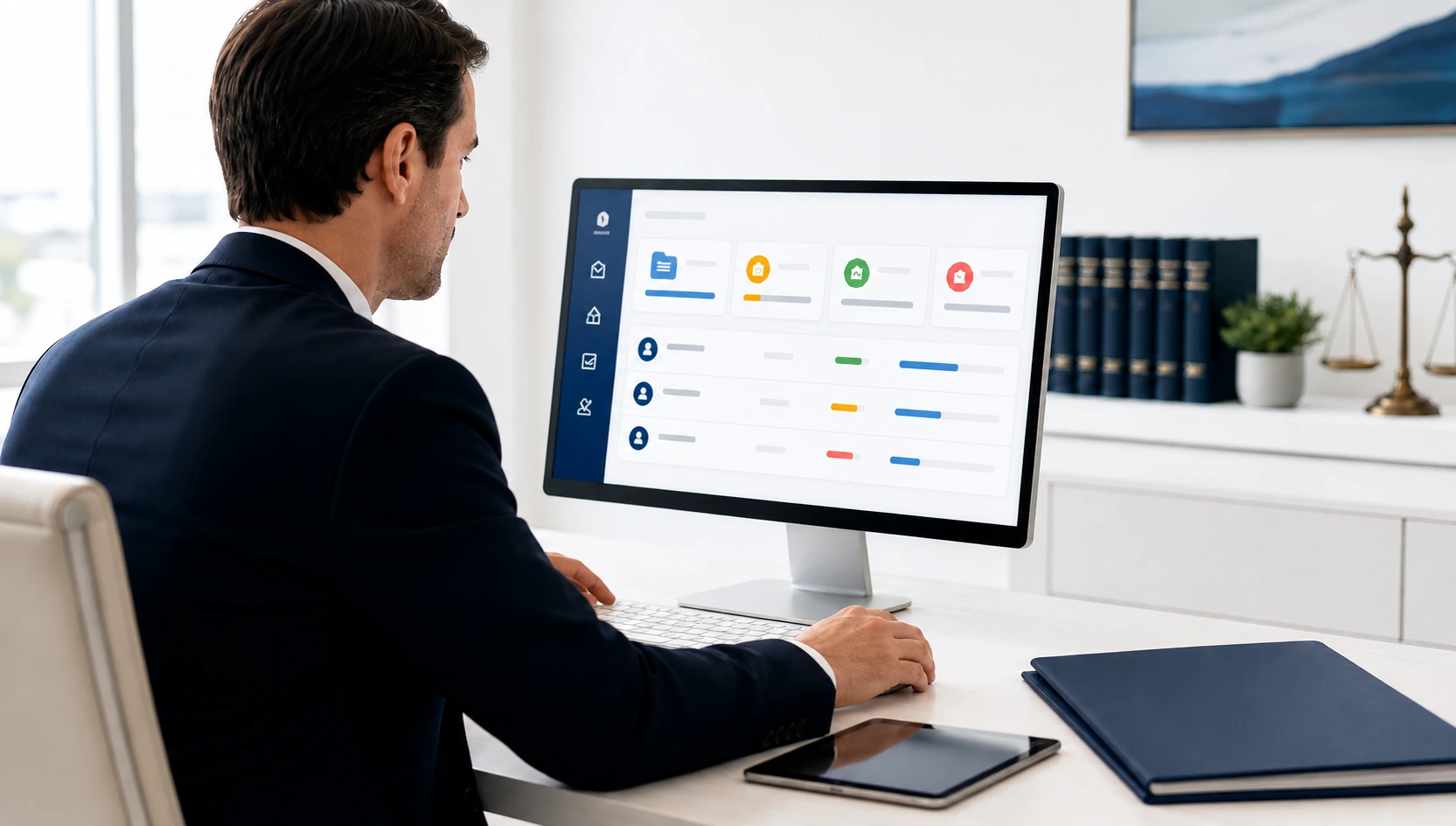
Technology Helps Teams See the Retrieval Status Clearly
One of the biggest improvements in modern retrieval is visibility.
Instead of asking, "Did we get those records yet?", the team should be able to see the status of each request in one place. Sent. Pending. Rejected. Follow-up needed. Received. Under review. Complete.
That kind of tracking matters because litigation teams make decisions based on record readiness. A case may not be ready for demand if the orthopedic records are missing. A deposition may need to be delayed if the latest MRI hasn't arrived. An expert review may be incomplete if prior treatment records are still pending.
A real-time tracking dashboard helps the team stop guessing.
It also helps managers spot patterns. If one provider regularly delays responses, the team can follow up earlier. If authorization errors are causing rejections, the intake process can be tightened. If certain cases are missing major providers, the issue gets caught before deadlines close in.
Visibility Keeps Retrieval Moving
When every request has a clear status, legal teams spend less time chasing records and more time moving cases forward.
Better Intake Means Fewer Missed Providers
Record retrieval problems often begin at intake.
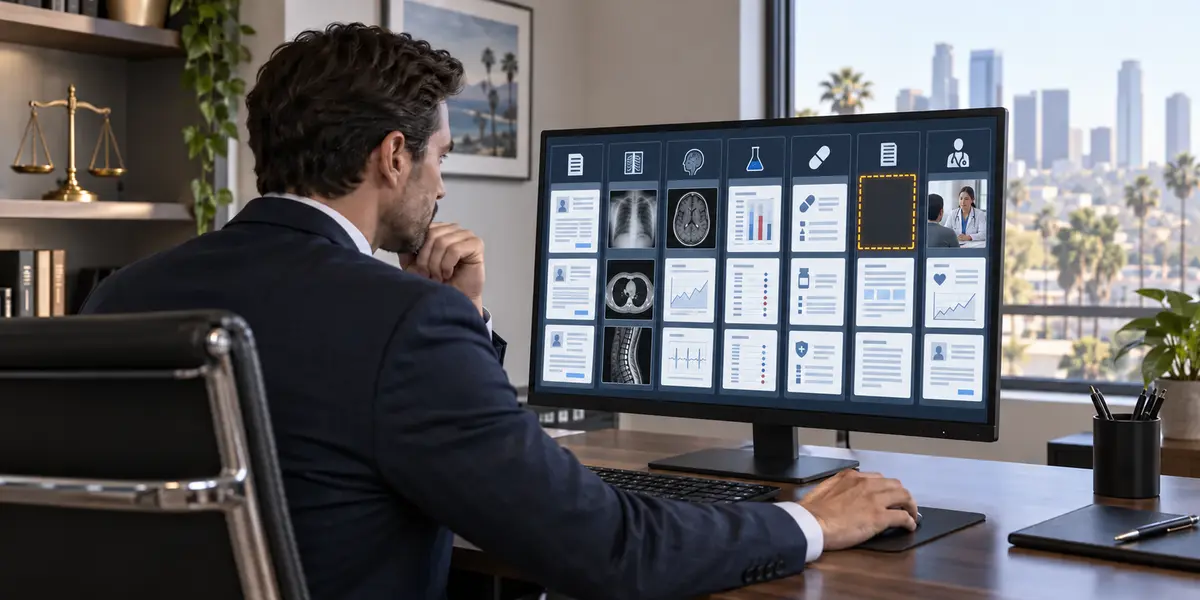
A client may mention a hospital but forget the imaging center. A medical record may reference a specialist who wasn't listed in the original provider sheet. A billing statement may show treatment from a facility no one has requested from yet.
Technology helps by bringing provider information into a cleaner workflow. Intake forms, prior records, billing details, and case notes get reviewed together, so the team has a better chance of catching missing sources early. AI-assisted cross-referencing can flag providers a human might miss on a first pass, especially specialists or ancillary services buried in a billing code rather than stated outright.
This matters because missed providers create serious case-preparation problems.
A medical chronology may show a treatment gap that isn't really a gap. The missing records may simply be sitting with a provider no one requested from. A demand package may look incomplete. A defense team may question missing treatment. An expert may need additional documents before forming an opinion.
Good retrieval starts with knowing who to request from.
Digital Requests Reduce Back-and-Forth
Many providers still have their own requirements. Some want a specific authorization format. Some require exact date ranges. Some reject requests if a signature is old, unclear, or missing a required field. Some still rely heavily on fax, and that's not changing as fast as anyone would like.
Modern retrieval systems reduce avoidable back-and-forth by standardizing requests, tracking authorization status by state-specific requirements, and flagging when something needs correction before it gets rejected outright.
The benefit is simple: fewer rejected requests, fewer quiet delays.
In high-volume litigation, small delays multiply fast. If 20% of requests need rework, a team handling thousands of requests can lose days or weeks to preventable corrections alone.
Technology can't make every provider respond faster. But it can help the legal team send cleaner requests and follow up before a delay becomes a deadline problem.
See how complete record retrieval supports stronger cases.
OCR and Organization Make Records Usable Faster
Getting the records is only half the work.
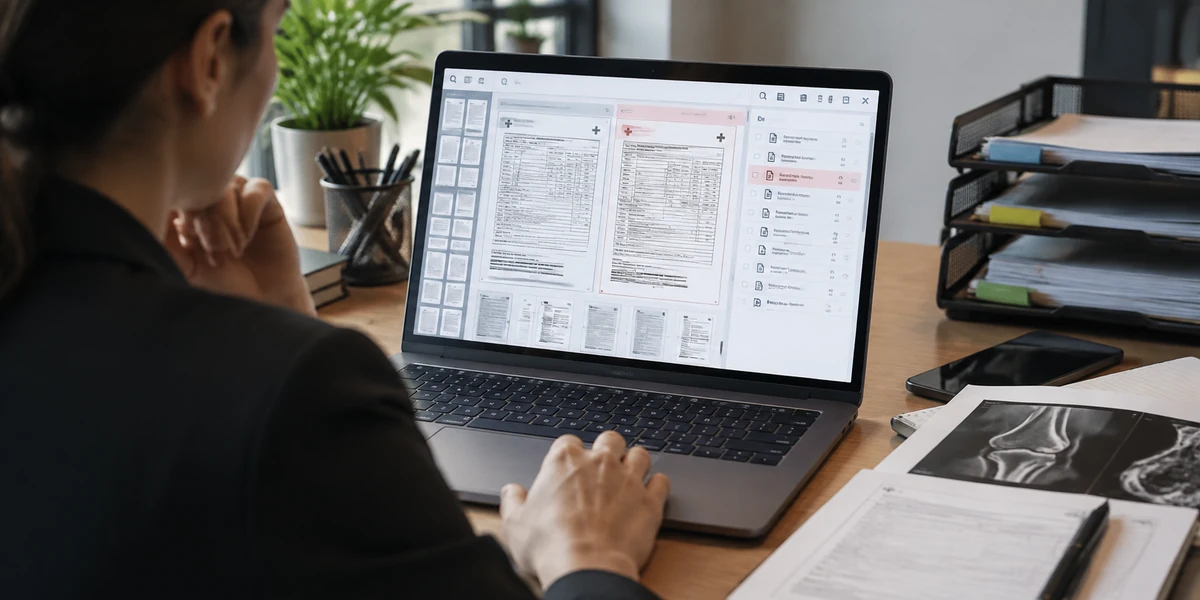
Records often arrive as large PDFs, scanned packets, duplicate pages, mixed provider notes, handwritten entries, billing pages, and out-of-order documents. A file may be technically "received" and still be hard to use.
OCR paired with AI models trained specifically on medical documentation can extract, tag, and sort records by provider, date of service, and document type, automatically, before a human ever opens the file.
This is where retrieval connects directly with medical record review.
A record packet that arrives cleanly organized is much easier to use for chronology preparation, demand drafting, deposition prep, expert review, or claims evaluation. A record packet that arrives as one unstructured 400-page PDF still leaves the team with hours of manual cleanup, the exact hours technology is supposed to be saving.
Compliance Should Be Built Into the Process, Not Bolted On
Medical records contain sensitive health information. That means retrieval workflows need real controls around access, storage, transmission, and tracking, not just a HIPAA disclaimer at the bottom of an email.
For litigation teams, compliance can't be an afterthought. Records pass through intake staff, paralegals, attorneys, vendors, reviewers, and experts. The more people and systems involved, the more important it becomes to control who can access what, and to be able to prove it later if a defense attorney challenges how records were obtained.
A stronger retrieval workflow should support:
- Secure document upload and transfer
- Access controls for case files
- Authorization tracking with expiration dates
- Activity logs and audit trails
- Organized, centralized record storage
If you're working with an outside retrieval or review vendor, HIPAA compliance should be the floor, not the differentiator. Look for independently audited certifications like SOC 2 Type II, ISO 27001, and ISO 9001. Those represent third-party verified security controls, not self-reported claims, and they matter if a data security question ever comes up during discovery.
"Medical records become more valuable when they are organized in a way that supports efficient review and informed legal decision-making."
Why High-Volume Firms Feel the Impact First
A single delayed record request is frustrating. Hundreds of delayed requests become a business problem.
For high-volume firms, retrieval delays affect:
- Demand package timelines
- Settlement planning
- Deposition scheduling
- Expert review readiness
- Paralegal workload and morale
When teams are forced to chase records manually, experienced legal staff spend too much time on status calls and follow-up emails. That's time that could go toward case preparation, client communication, or attorney support instead.
This is why many firms turn to medical record retrieval services once volume grows. The right support standardizes requests, tracks provider follow-ups, manages record status, and keeps the case team informed without constant manual check-ins.
The goal isn't simply to outsource a task. The goal is building a retrieval process that can actually keep up with the caseload.
What to Look for in a Modern Retrieval Workflow
If your firm is improving its retrieval process, look past broad promises like "fast" or "easy." Focus on how the work actually happens.
A strong workflow should show you:
- How provider requests are created and tracked
- How rejected requests get handled and resent
- How missing records are flagged before they become a gap in the chronology
- How records are organized after receipt
- How the team sees case status without repeated follow-up calls
Also ask how supplemental records are handled. In many PI cases, records don't arrive all at once. A good workflow makes it clear when new records come in and whether the review, chronology, or summary needs to be updated as a result.
The Future Is Faster, But It Still Needs Human Oversight
Technology will keep improving retrieval. More digital access, better tracking, smarter provider identification, searchable records, and stronger workflow tools will all help legal teams move faster.
But human oversight still matters, and probably always will.
Someone has to know when a provider is missing. Someone has to catch a rejected authorization before it sits for two weeks. Someone has to notice that a record references an MRI report that was never actually received. Someone has to confirm the file is truly ready for review, not just technically "complete."
The best retrieval process uses technology to cut manual friction, while experienced teams handle judgment, follow-up, and record completeness.
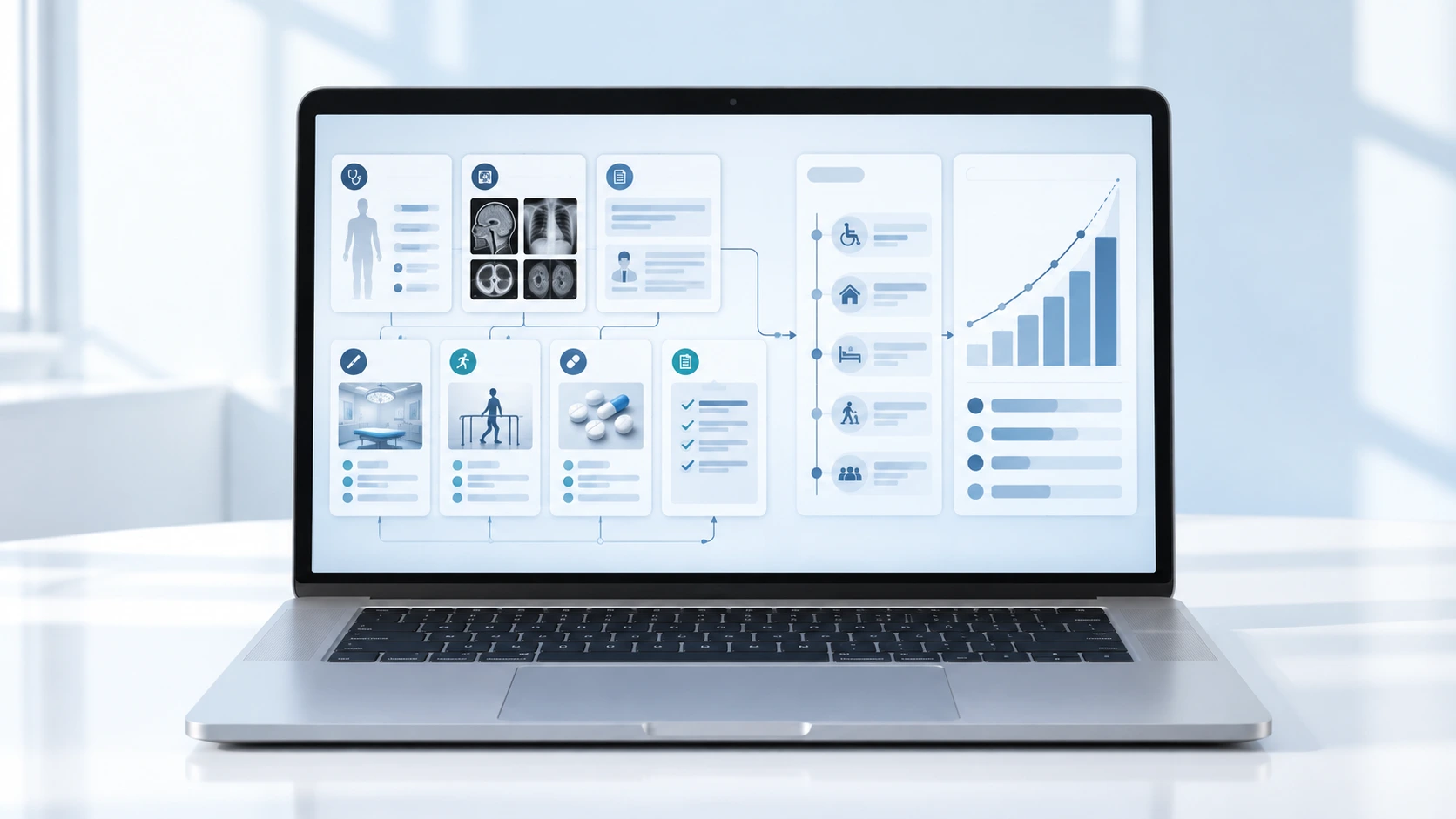
Medical Record Retrieval. Built for High-Volume Firms.
99%
Real-Time Request Tracking
Greater Workflow Visibility
87%
Earlier Missing Record Detection
Reduced Case Delays
64%
Less Manual Follow-Up
Improved Team Productivity
Final Thought
High-volume litigation doesn't give teams the luxury of slow record retrieval.
When records are delayed, the case slows down. When records are incomplete, the review becomes uncertain. When records are hard to track, the legal team spends too much time asking the same status questions over and over.
Technology is changing that.
A modern medical record retrieval workflow helps firms see what's been requested, what's pending, what's arrived, and what still needs attention. For busy litigation teams, that kind of visibility isn't a luxury. It's how cases keep moving.
Source Credit : All metrics derived from LezDo TechMed’s internal project data.
Shabila Thomas
Shabila Thomas is a Certified Legal Nurse Consultant (CLNC) and Medical-Legal Research Analyst with over two years of experience in medical record review, medico-legal research, and content development. She specializes in blogs, articles, and content that decode complex medical information, industry trends, and regulatory updates for the medico-legal field. Her clinical background and research-first approach help law firms, medical evaluators, and insurance professionals understand complex medical data, identify relevant insights, and make faster, better-informed decisions.











.png)


.webp)