Home
>
Blog
>
>
Defense-Side Medical Record Review: Neutral and Defensible
On the defense side, the instinct is to want a record review that helps the case. The review that actually helps is the one that stays neutral. Here is why:
- Neutrality is what makes it defensible: a review that argues gives opposing counsel something to attack instead of the injury.
- The line it never crosses: it organizes, cross-references, and flags what the records document, and cites the source. It does not opine on defect, causation, liability, or value.
- It flags the unhelpful facts too: a review that hides the bad documented facts is the one that fails at deposition, because the other side will find them.
- One method, every claimant: the same neutral standard across the whole inventory is what keeps the methodology, and the manufacturer's position, defensible.
Read on for what a neutral defense-side review looks like in practice, and the line that keeps it standing.
When a manufacturer's team hands a claimant's records out for review, the instinct is to want the review to help: to lean toward the defense, to soften what hurts, to arrive already pointed at the conclusion the defense wants. That instinct is the fastest way to a review that cannot survive the day someone challenges it. On the defense side, the review that actually helps is the neutral one, and neutrality is not the opposite of useful. It is what makes the review defensible.
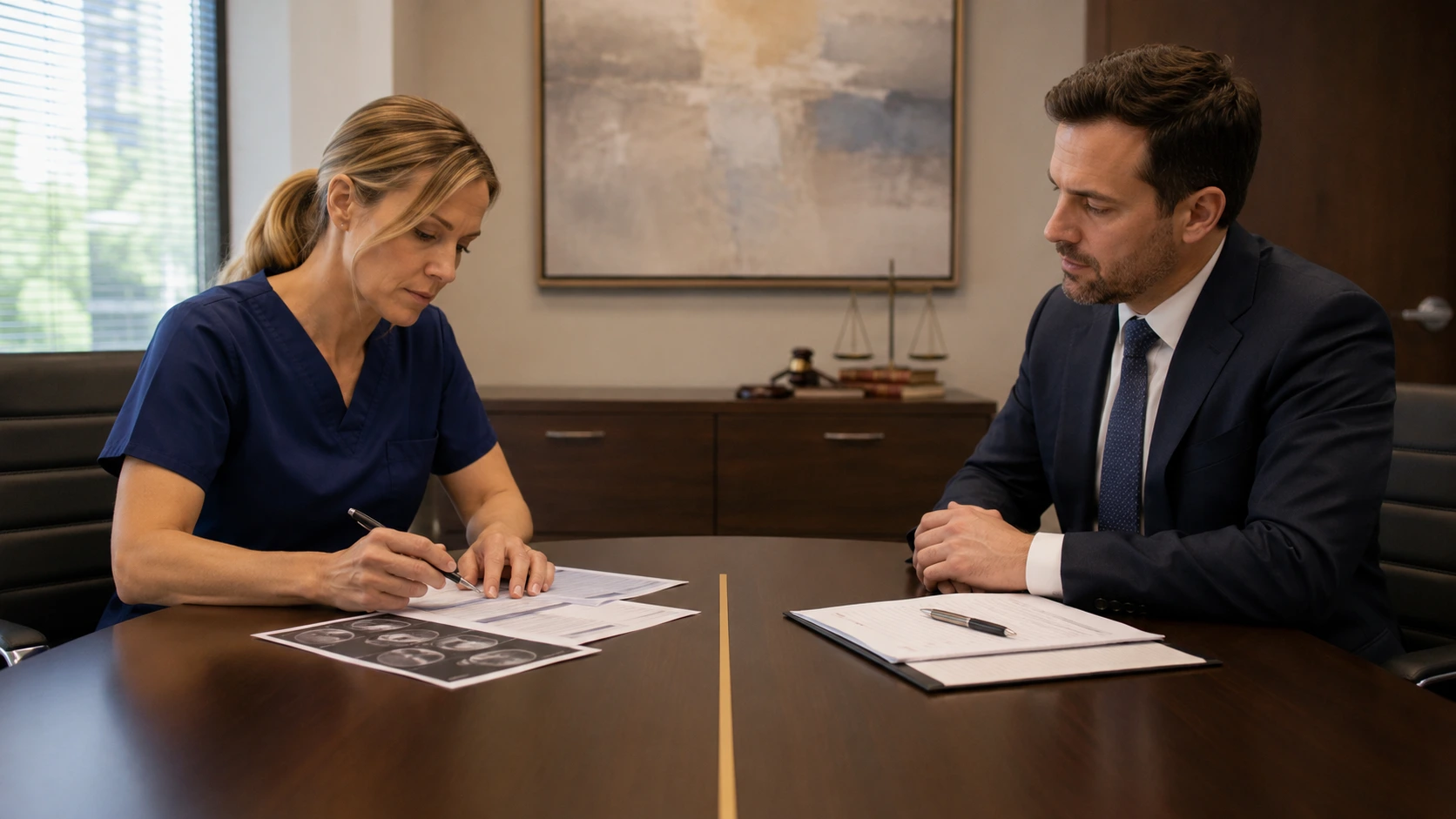
Here is the grounding. A medical record review reads, organizes, and cross-references a claimant's documented care and flags what matters, cited to the page. It does not decide the case. For a manufacturer's in-house legal, claims, or risk team, and for the defense counsel working with them, the review's whole value is that it reports what the records document, accurately and neutrally, so the people who make the legal calls are standing on the record instead of on a version of it. The moment a review stops reporting and starts arguing, it trades that value for a liability.
Why neutrality scales into a real defense problem
Product liability made up about 40% of pending federal MDLs as of January 2026 (Dechert). At that scale a defense record review has to stay neutral and consistent across every claimant, or it gets attacked instead of the injury.
Why the defense side feels the pull to cross the line
The pressure to shade a review is real, and it is strongest exactly where the stakes are highest. A manufacturer facing a serious claim wants the file read in the best light, and a reviewer who senses that can start emphasizing the helpful facts and quietly downplaying the ones that hurt. It feels like advocacy. It reads, later, like bias. The problem is that a shaded review does not make the unhelpful facts disappear; it just means the manufacturer's own review missed them, and opposing counsel did not.
Why crossing it backfires at deposition
A review that argues hands the other side a target. Instead of the deposition being about the injury and the records, it becomes about the review: how it was done, what it left out, why it framed a finding the way it did. Once a reviewer is defending the review's neutrality on the record, the manufacturer has lost the ground the review was supposed to give. A neutral review is not vulnerable that way, because there is nothing to impeach in a document that only reports what the records say and cites where each fact came from. Neutrality is the armor, not the weakness.
Need a defense-side review that holds up when it is challenged?
What a neutral review actually looks like
Neutral is not vague, and it is not soft. A neutral defense-side review is precise about what the records document and disciplined about not going past it. It reports the injury as the chart records it, the timeline as the dates establish it, the prior conditions and alternative causes where they sit in the file, and the gaps where the record is thin, all cited to the page. It does the same for the facts that help the defense and the facts that do not. That even-handedness is the point: a review that flags a documented alternative cause and a documented admission against the manufacturer with the same discipline is a review a manufacturer can actually rely on, because it is showing the whole board. This is the same rigor that lets a review identify contradictions in product liability medical evidence without becoming an argument about them.
Flag the unhelpful facts, on purpose
The hardest discipline on the defense side is surfacing the documented facts that hurt the case, deliberately, early, and in the same neutral voice as everything else. It feels backward. It is the single most valuable thing the review does, because a manufacturer that learns the bad facts from its own review can plan around them, and a manufacturer that learns them from opposing counsel at deposition cannot. A review that hides them is not protecting the case. It is setting up the ambush. Reporting them plainly, cited to the source, is what keeps the review, and the manufacturer's strategy, defensible.
On the defense side, a record review that argues gives opposing counsel something to attack. A review that only reports gives them nothing.
The line the review never crosses
Here is the line, stated plainly. A medical record review organizes, cross-references, and flags what the records document, and it cites the source. It does not decide whether the product was defective, whether it caused the injury, who is liable, or what the claim is worth. Those determinations belong to the manufacturer's attorneys and its retained experts, and keeping them there is not a limitation on the review, it is what makes the review usable. A review that stays on its side of that line can be handed to an expert, cited in a motion, and produced without becoming the issue. The same neutral standard, applied to every claimant in the inventory, is also what keeps the methodology consistent and the manufacturer's position defensible across the whole set, which is exactly the discipline a defensible product liability record review is built on.
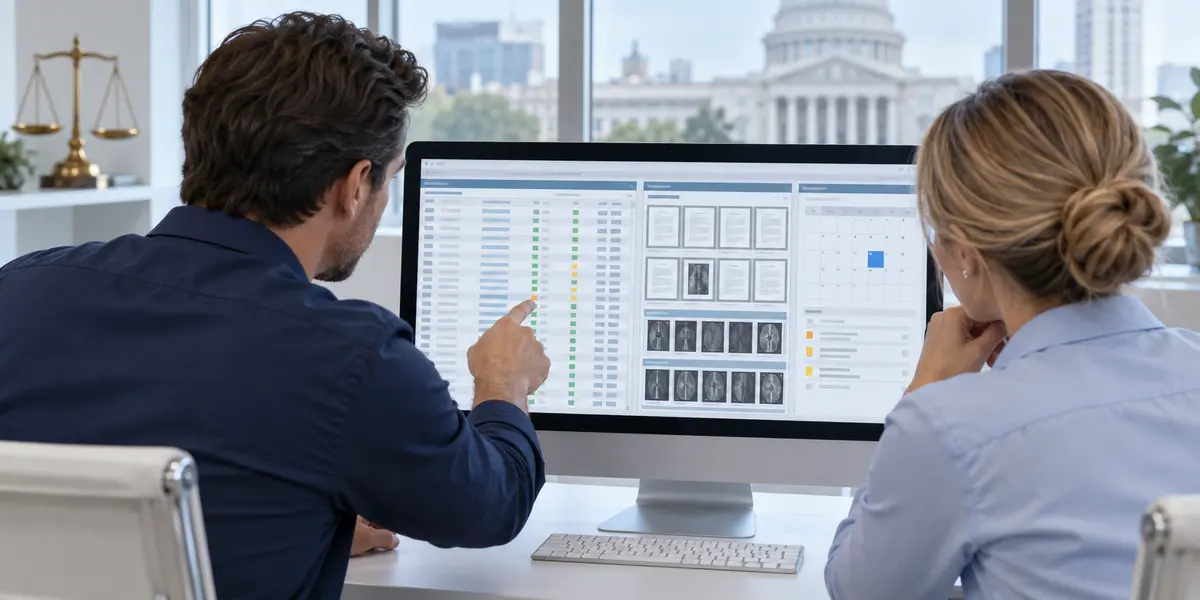
AI belongs in this, within the same boundary. It can index large record sets, line up dates, and surface likely issues across many claimants faster than a person alone, which matters when a product line draws claims by the hundreds. What it cannot reliably do is read clinical context, tell a genuine admission from a hedge, or judge whether a documented finding actually conflicts with the claim. So a defensible review pairs AI throughput with a trained medical reviewer who checks each flagged fact against the source, and documents that the check happened. On the defense side, a verification you can show is part of what makes the review hold up.
None of this makes the review weaker for the defense. It makes it stronger, because a neutral, sourced, consistently applied review is the version that survives the challenge the whole exercise is preparing for. The manufacturer still gets every advantage the records honestly contain. It just gets them in a form that holds.
What keeps a defense-side review defensible
~40%
Of pending federal MDLs are product liability
Large inventories mean the review must hold up claimant by claimant. (Dechert, Jan 2026)
1
Line the review never crosses
It organizes and flags what the records document; it does not opine on defect, causation, liability, or value.
1
Method for every claimant
The same neutral standard across the inventory keeps the methodology, and the position, defensible.
Frequently Asked Questions
What makes a defense-side medical record review defensible?

Neutrality, sourcing, and consistency. The review reports what the records document, cites every fact to the page, does not opine on defect, causation, liability, or value, and applies the same method to every claimant. A review built that way survives challenge; one that argues gives opposing counsel a target.
Should a defense record review lean toward the manufacturer?
No. A shaded review does not make the unhelpful facts disappear; it means the manufacturer's own review missed them and the other side did not. A neutral review that shows the whole record is more useful to the defense, not less, because it lets the team plan around every documented fact.
Why should a defense review flag facts that hurt the manufacturer?
So the manufacturer learns them from its own review rather than from opposing counsel at deposition. Surfacing the documented unhelpful facts early, neutrally, and cited to the source is what lets the team plan around them. Hiding them sets up an ambush.
What is the line a medical record review should not cross?
It organizes, cross-references, and flags what the records document and cites the source. It does not decide whether the product was defective, whether it caused the injury, who is liable, or what the claim is worth. Those determinations belong to the manufacturer's attorneys and retained experts.
Does neutrality make the review less useful to the defense?
The opposite. A neutral, sourced, consistently applied review is the version that holds up when it is challenged, which is the whole point. The manufacturer still gets every advantage the records honestly contain, in a form that survives deposition and motion practice.
How does AI fit a defensible defense-side review?
AI can index large record sets and surface likely issues across many claimants quickly, which helps at inventory scale. It can misread context or a hedge, so a trained reviewer checks each flagged fact against the source and documents that check. On the defense side, a verification you can show is part of what makes the review defensible.
For a product manufacturer, the temptation is to want a record review that takes the defense's side. The review that serves the defense best is the one that does not: it reports what the records document, helpful and unhelpful alike, cites every fact to the page, stays off the questions of defect, causation, liability, and value, and applies the same neutral method to every claimant in the inventory. That is not a softer review. It is the one that survives the day someone tries to take it apart, and it is the only kind worth relying on when the stakes are real.
Ready for a defense-side medical record review built to stay neutral and hold up under challenge? Partner with LezDo TechMed, or estimate a review and see what a sourced, neutral read of the records gives your team.
Source Credit : All metrics derived from LezDo TechMed’s internal project data.
Anjana Devi Vijay
Anjana Devi Vijay is a Certified Legal Nurse Consultant (CLNC) and Medical–Legal Research Analyst with 9+ years of experience in medical record review, deposition summary analysis, and medico-legal research. She specializes in transforming complex healthcare documentation into accurate, actionable insights that support attorneys, insurers, and medical evaluators. With expertise in clinical documentation analysis and legal case support, she creates research-driven content focused on improving decision-making and case outcomes.












.png)